
Untitled
Keno for Australians Who Want Cashier Clarity First
Stepan Shulga built his name on esports operations and iGaming product leadership, so he treats a keno ticket the way a tournament organiser treats a fixture sheet: if the payment flow and verification path are not sorted before the first draw, the whole session turns messy. That is the lens for this piece, because knowing how to play keno is only half the job when you are sitting at a kitchen table in regional New South Wales with a cold arvo wind coming through the window and a deposit screen that asks for more than it should.
The numbers behind the ticket
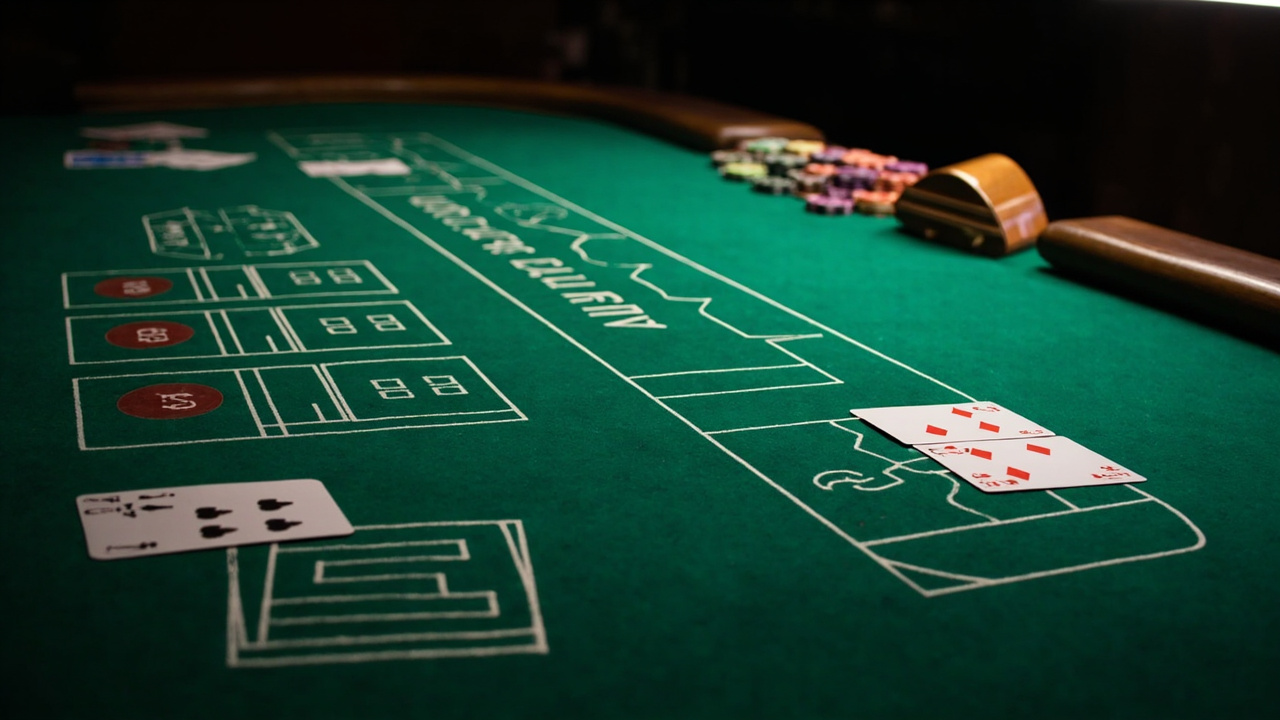
Keno is a draw game, plain and simple, which is why anyone who has run a live bracket will recognise the rhythm straight away. You pick a set of numbers from a board, usually between one and ten, and the operator runs a random draw that lands on twenty numbers out of eighty. Your payout depends on how many of your picks match, how many spots you played, and the paytable attached to that specific game. The trick is that the ticket is not a promise of anything, just a set of odds you can read before you commit. I have seen players treat a keno card like a lucky charm and others like a spreadsheet, and the ones who actually enjoy it are the ones who understand that the draw is independent every single time. When you are learning how to play keno, the first sensible move is to find a paytable you can read without squinting, then pick a spot count that matches the kind of session you want rather than the size of your ego.
That is where a site like jackpot jill casino real money for real winnings earns its keep, because the paytable and the spot limits are laid out in a way that lets you see the shape of the game before you put a single credit in. I am not saying any operator can turn a random draw into a predictable result, and I have spent enough time around product launches to know that a clean paytable is not a guarantee, it is just a courtesy. The players who do best are the ones who treat the ticket as a paid entertainment ticket, not a roadmap to a weekend outcome.
How the draw works and what the paytable is actually telling you
Reading the spot count and the match grid
The spot count is the number of digits you mark on your ticket, and it changes the whole shape of the game more than most people realise. A one-spot ticket is a quick punt with a small hit frequency and a payout that only makes sense if you are chasing a single clean match. A five or ten spot ticket spreads your chances across more numbers, which raises the chance of catching something but also changes the paytable into something that rewards multiple matches rather than one lucky strike. Callum Davies, Gaming Technology Consultant, Laneway Interactive Media, puts it bluntly: the paytable is not a mystery, it is a grid that tells you exactly what the operator is offering for each match count, and if you cannot read that grid in under a minute you are playing blind. I have watched a mate in Wagga spend twenty minutes on a ticket because he kept adding spots without checking the match grid, and the result was a ticket that looked busy but was just more expensive for the same kind of risk.
The draw itself and why each round stands alone
A keno draw is a random selection of twenty numbers from eighty, and that is the whole engine. Nothing in the previous round changes the next one, which is the part that catches people who start seeing patterns in a sequence that is just noise. If you have ever run a tournament group stage, you know the feeling of watching a result that looks meaningful but is really just one match on one day, and keno is the same kind of honest randomness. The draw happens, the matches are counted, and the paytable does the rest. There is no hidden hand, no backlog of overdue numbers, and no reason to treat a cold run as a signal that a hit is coming. The only thing that changes between rounds is your ticket and your bankroll.
Matching the game to the session you actually want
The right way to approach a session is to pick a spot count and a spend rhythm that fit the evening you are having, not the one you wish you were having. If you want a quick ticket with a small footprint, a lower spot count keeps the ticket cheap and the decision simple. If you want a longer session with more match possibilities, a higher spot count gives you more ways to catch something but also asks for a bigger commitment per draw. Callum Kelly, Head of Public Relations, Red Centre Analytics, notes that players who set a session shape before they mark a ticket tend to stay calmer when the draw does not go their way, because the ticket was built around a plan rather than a hope. I have seen that play out in a pub in Orange where the regulars mark their tickets before the first beer arrives, and the ones who do that are the ones who leave the arvo with their sense of humour intact.
Player fit: who should bother and who should skip it
Keno suits people who want a low-friction draw game with a paytable they can read in a minute and a session they can keep small without feeling like they are missing out. It is less suited to anyone chasing a structured return, because the draw is random and the paytable is the only map you get. If you are the type who likes to mark a ticket, watch a draw, and move on without building a whole evening around it, keno fits neatly into that kind of night. If you want a game where the decisions before the draw feel like they matter more than the draw itself, you may be better off elsewhere. The honest verdict is that keno is a ticket game, not a strategy game, and the players who enjoy it are the ones who treat it that way from the first mark.
A clean cashier matters as much as the paytable, because a draw game is only fun if the money side is not making you jump through hoops before you have even marked a number. Deposits should land quickly, the currency should match the account you opened, and withdrawals should follow a verification path that is clear rather than vague. I have spent enough time around product and partnership work to know that a keno game can be perfectly fair and still feel frustrating if the cashier is slow or the limits are opaque. The players who stick with it are the ones who check the payment flow before they commit to a session, not after they have already put money in and are trying to work out why a withdrawal is sitting somewhere behind a screen.
The best way to think about a keno session is as a paid ticket with a clear paytable, a draw you cannot influence, and a cashier you should understand before you start. If the numbers, the deposit path, and the withdrawal process all make sense on a quiet Wednesday night, then you are in a position to enjoy the draw for what it is. If any of those pieces feel fuzzy, it is better to pause and sort them out before you mark a ticket, because a keno game is only as good as the clarity around it.

