
B2B Slot Platform Development for iGaming Operators
B2B Slot and B2B Slots Platform Development: What Casino Operators Need
I’ve built B2B slot platforms with teams in Malta and London. For casino developers, the big reality is integration time: 8–12 weeks to connect payments, odds feeds, and SLAs. Start with a real B2B slots platform contract, not a demo.
Casino Developer Services: From Casino Software Development to Game Integration
I’ve hired casino software developer teams to speed launches, but integration still eats calendars. Aim for services that cover licensing, QA, and slot provider hookups with monitoring from day one. Expect 2–3 weeks for initial game integration.
- Write an odds/feed mapping doc before coding, so mismatches get fixed early.
- Force automated regression tests for each slot game build on staging.
- Agree on KPI logging (RTP, latency, failed handshakes) in the SLAs.
- Use webhook-based game state sync, not polling, to cut drift.
- Dry-run fraud rules on 1M events before going live.
Slot Game Development for iGaming: Architecture, Tools, and Delivery Workflow
For iGaming software development, I prefer modular slot game architecture: core logic separate from UI and payment hooks. Tooling matters too; our build pipeline with GitHub Actions and Docker reduced release pain, and we now evaluate a https://casinosoftware-th.com/ B2B slot provider for faster integration. Target sub-1s client load for slot assets, while keeping documentation and support responsive across every release cycle.
B2B Slot Supplier vs Slot Provider vs Slot Platform: Choosing the Right Partner
I learned the hard way that naming matters: a slot provider sells games, but a slot platform runs contracts, reporting, and delivery. Pick by responsibilities, not logos. Red flags show up in “who handles failures” after launch.
Decide who fixes a broken RTP mapping before you sign; after launch, it’s always a blame game.
iGaming Platform Development for Business-to-Business: Scalability and Multi-Tenant Setup
When we built a B2B iGaming platform for three brands, multi-tenant isolation was the real work. Use tenant-scoped accounts, separate promo rules, and per-operator reporting. Budget 30–40% extra effort for tenant isolation. Keep rollout canary-based to avoid breaking every casino at once.
Casino Technology Provider Capabilities: APIs, Aggregation, and Real-Time Content Feeds
I’ve watched launches fail because feeds lagged behind player sessions. Ask vendors about API SLAs and how they push updates to casinos without downtime. Target under 100ms API response for core calls.
- Require versioned APIs with backward compatibility for 90 days.
- Log every odds/content change with timestamps and source IDs.
- Demand a real-time feed option using WebSockets or similar.
- Test failover: kill one node and verify graceful recovery.
- Use rate limits and WAF rules to survive 10x traffic spikes.
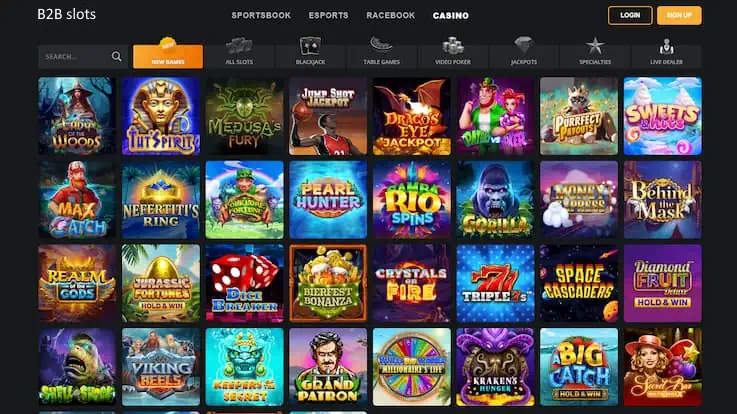
Casino Game Aggregation and Slot Aggregator Models: How Game Aggregation for Casinos Works
Game aggregation for casinos is basically plumbing: catalog, entitlement, and state sync across many casino content providers. I prefer aggregators that normalize metadata and expose one API surface to your casino platform. Most outages come from mismatched entitlement rules, not the slot code.
| Aggregator model | what it does | typical latency impact | best for |
|---|---|---|---|
| Full aggregation | single API + unified catalog | +20–40ms | multi-brand operators |
| Aggregator of casino games | connects providers, keeps their APIs | +40–80ms | fast pilots |
| Content-only | metadata, branding, listings | near-zero | UI teams first |
| Entitlement layer | licenses + player access control | +10–30ms | strict compliance needs |
B2B iGaming Solutions for Casino Developers: Compliance, Security, and Performance Benchmarks
When we onboarded new Casino developers, I insisted on SOC 2 reports, encrypted secrets, and audit logs tied to every bet. Benchmarks kept us honest: p95 <150ms for odds+spin flows under load. Verify PCI scope early with your teams at Stripe/Adyen.
FAQ
Who should own fixes during game integration?
Before signing, agree who corrects RTP/odds mapping and state sync bugs. In my experience, blaming starts when the contract is vague.
How long does initial slot game integration usually take?
Plan roughly 2–3 weeks for initial integration and staging validation. Delivery speed depends on feed formats and entitlement rules.
What should a B2B multi-tenant setup include?
I push for tenant-scoped accounts, per-operator promo rules, and isolated reporting. Budget 30–40% extra for clean separation work.
Which performance metric matters most for odds and spins?
I use p95 latency as a reality check, keeping odds+spin flows under ~150ms. It’s the difference between “fast enough” and support tickets.
Why do game aggregation projects go wrong?
Most issues come from mismatched entitlement rules, not the slot code itself. Require normalized metadata and clear access logic.

